
Understanding the psychological triggers that drive gambling behavior
The Allure of Chance
The thrill of chance is one of the primary psychological triggers that compel individuals to engage in gambling. The unpredictability of outcomes can create an exhilarating sense of excitement. This element of surprise stimulates the brain’s reward pathways, releasing dopamine—the “feel-good” chemical. People often find themselves captivated by the possibility of winning, which overshadows the real risks involved. Even when losses occur, the anticipation of a potential win can keep players returning for more, further solidifying the gambling habit.
This connection between gambling and the brain’s reward system explains why many individuals continue to gamble despite previous losses. The intermittent reinforcement of wins—no matter how small—can create a cycle of hope and expectation. This psychological phenomenon mirrors behaviors found in addiction, where the desire for that next win can override logical thinking and lead to impulsive decisions. Casinos and online gambling platforms often exploit this trigger through various incentives, making it easier for players to lose track of their spending.
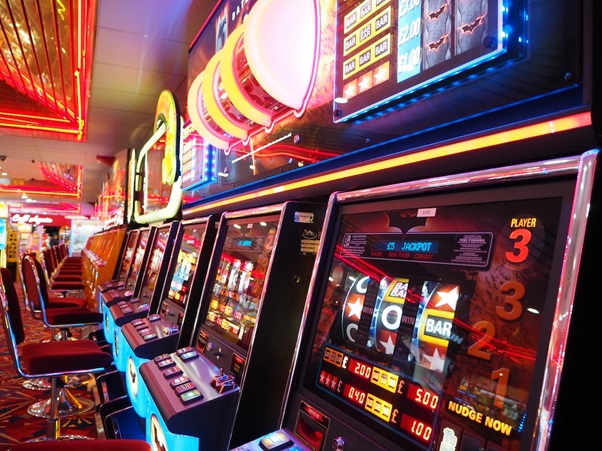
Ultimately, the allure of chance taps into fundamental human emotions: hope and excitement. These feelings are powerful motivators, persuading individuals to take risks in pursuit of greater rewards. Understanding this psychological aspect is crucial for both players and those around them, as it sheds light on why gambling behavior persists even in the face of adversity.
The Role of Social Influences
Social influences significantly affect gambling behavior, as individuals often engage in these activities in groups or communities. Social reinforcement can create a sense of belonging that is difficult to resist. Whether it’s friends at a casino table or online communities in gambling forums, social dynamics can normalize and encourage gambling behaviors. The pressure to conform can lead to increased participation, particularly among younger audiences who seek validation from peers.
Moreover, social media platforms have amplified this phenomenon, promoting gambling as an acceptable social activity. Ads featuring glamorous lifestyles, high-profile personalities, and exciting experiences associated with gambling can glamorize the act and entice individuals to partake. This representation often overlooks the potential dangers, instead presenting gambling as a pathway to excitement and success. Therefore, the social context of gambling plays a pivotal role in shaping individuals’ attitudes and behaviors toward it.
In addition, family attitudes towards gambling can influence a person’s decisions. Growing up in a household where gambling is seen as a fun pastime may lead individuals to adopt similar habits. The social environment surrounding gambling can create a cycle of behavior that is challenging to break. Recognizing these influences can help individuals make more informed decisions about their gambling habits and understand the pressures that may push them toward risky behaviors.
Cognitive Biases and Misconceptions
Cognitive biases significantly shape gambling behavior, often leading players to make irrational decisions. One common bias is the “gambler’s fallacy,” where individuals believe that past events will influence future outcomes. For example, if a slot machine has not paid out in a while, a player might incorrectly assume that it is “due” for a win. This misconception can lead to overconfidence and increased spending, as players chase losses based on flawed reasoning.
Another cognitive trap is the illusion of control, where gamblers believe they can influence the outcome of a game through skill or strategy. This perception is particularly prevalent in games like poker, where players often convince themselves that their decisions can significantly impact the result. In reality, many gambling outcomes are purely random, and the belief in one’s ability to sway these outcomes can lead to compulsive gambling behavior.
Additionally, confirmation bias plays a role in gambling decisions. Gamblers often remember their wins while dismissing losses, reinforcing the belief that they are skilled players. This selective memory can perpetuate continued gambling despite negative consequences. By understanding these cognitive biases, individuals can better recognize the internal traps that may lead them to gamble irresponsibly, encouraging more mindful engagement with gambling activities.
Emotional Triggers and Escapism
Many individuals turn to gambling as a form of escapism, seeking relief from stress, anxiety, or other negative emotions. The immersive experience of gambling can provide a temporary distraction, allowing individuals to forget their problems and immerse themselves in a world of chance and excitement. This emotional escape is particularly appealing to those facing life challenges, as it offers a brief respite from reality.
The emotional highs associated with gambling, such as the thrill of a potential win, can also provide a sense of control in otherwise uncontrollable circumstances. For some, this perceived control becomes a coping mechanism, leading to a pattern of gambling as a means to manage emotions. This reliance on gambling for emotional relief can evolve into a dependency, making it difficult for individuals to break free from the cycle.
Moreover, the relationship between emotions and gambling can be cyclical. After a loss, individuals may feel compelled to gamble again in the hope of regaining their money, often leading to further emotional distress. Understanding this emotional dynamic is crucial for recognizing when gambling behavior becomes problematic and necessitates intervention. By addressing the emotional triggers that drive gambling, individuals can develop healthier coping strategies to deal with stress and anxiety.
Exploring Shikaka Casino’s Unique Approach
Casino embodies a user-centric approach, prioritizing player experience while recognizing the psychological elements of gambling. By offering a wide range of games and secure payment methods, the platform ensures that players can enjoy their favorite activities without unnecessary stress. This focus on a hassle-free environment helps mitigate some emotional triggers that may lead to impulsive gambling.
Additionally, Casino provides enticing bonuses and promotions, creating a welcoming atmosphere for both new and returning players. This strategic approach taps into the allure of chance while promoting responsible gaming practices. The casino aims to enhance the gaming experience while encouraging individuals to recognize their limits and gamble responsibly.
Furthermore, Casino offers reliable customer support, reinforcing a sense of security for players. This commitment to customer care demonstrates an understanding of the psychological aspects of gambling, fostering a positive environment where players feel valued and safe. By blending entertainment with responsible gaming initiatives, Casino positions itself as a preferred destination for those looking to enjoy the thrill of gambling while being mindful of their psychological well-being.